
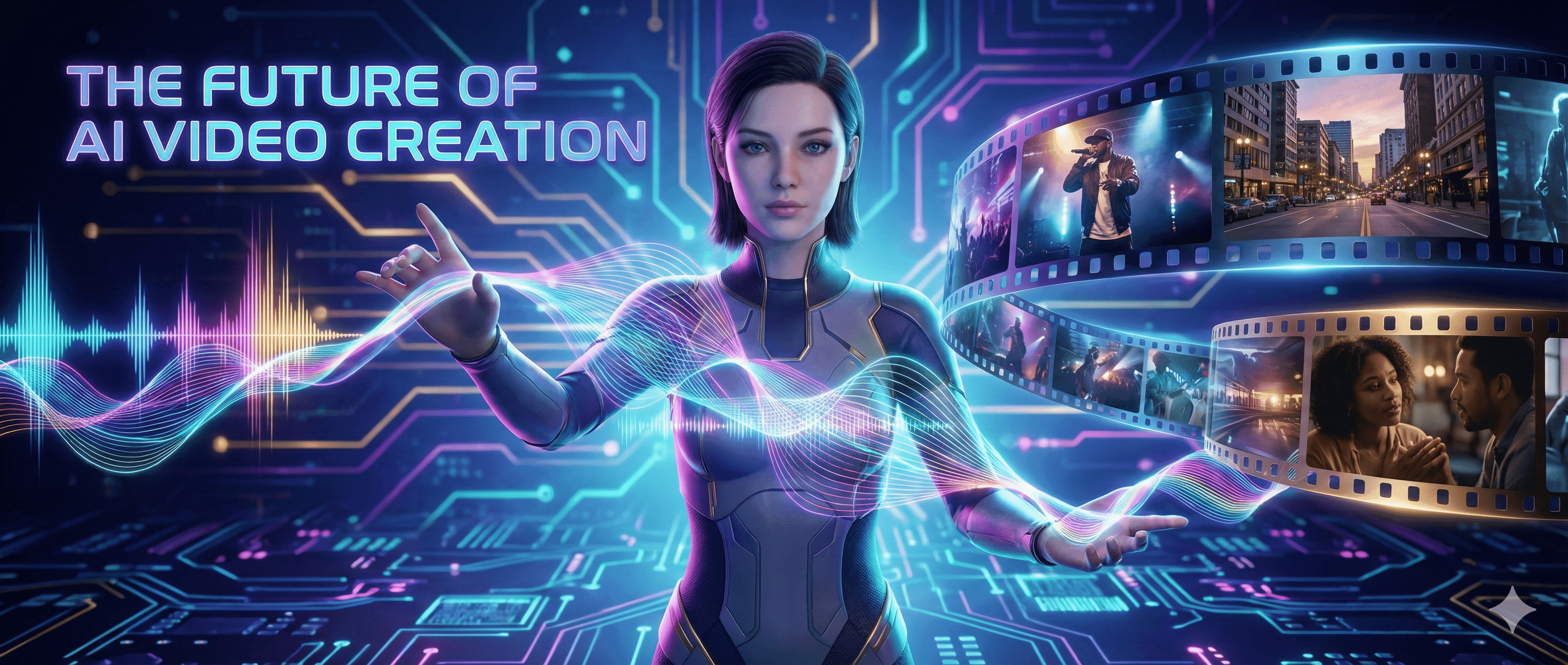
Kling AI 2.6 and Digital Human 2.0 mark an important step in AI video production. The update is not only about sharper visuals. It brings synchronized audio and visuals, stronger character performance, longer digital-human videos, and more practical workflows for commercial teams.
For brands, agencies, ecommerce sellers, and content teams, the main implication is clear: AI video is moving from experimental demos toward repeatable production.
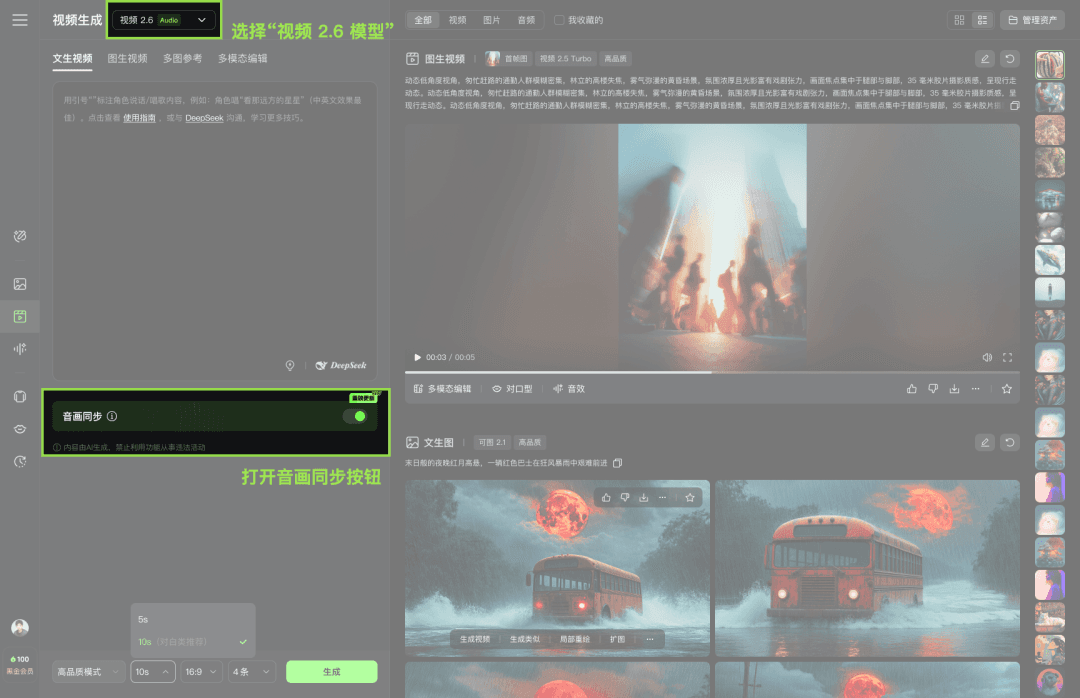 Kling AI video generation interface
Kling AI 2.6: Audio and Visuals Generated Together
Earlier AI video workflows often required separate steps: generate footage, add voiceover, search for music, then align timing manually. Kling AI 2.6 moves toward generating visuals, voice, music, and sound effects as one coordinated output.
This is useful for:
- product launch videos
- short social ads
- ecommerce product explainers
- creator content
- music and performance clips
- atmospheric video scenes
The key value is not replacing every production role. It is reducing the cost of first drafts and making more creative directions testable.
Practical Creative Scenarios
In advertising, a team can quickly test several visual tones for the same campaign idea. In ecommerce, merchants can generate short product explainers without booking a studio. In social content, creators can produce scenes with dialogue, background music, and environmental sound in one workflow.
For example, a sports campaign can include crowd noise, camera movement, and energetic narration. A beauty product video can pair close-up shots with soft music and precise sound effects. A festive promotion can combine character performance, scene transitions, and voiceover.
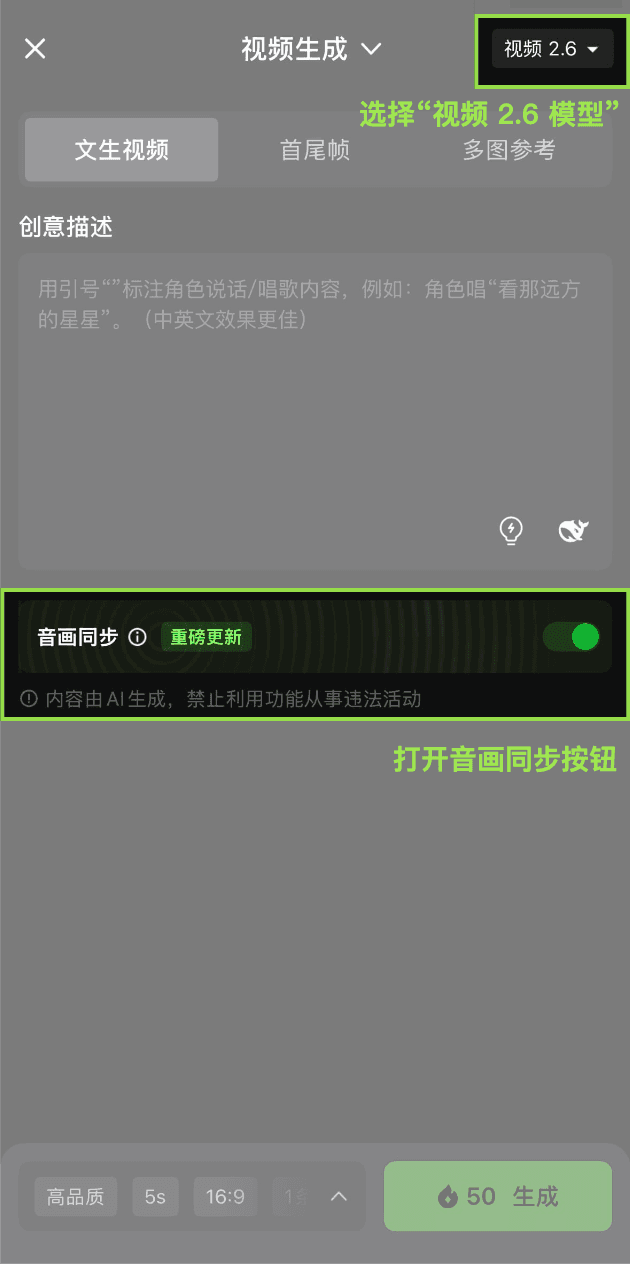 AI-generated video production example
Digital Human 2.0: From Speaking to Performing
Digital Human 2.0 moves beyond basic lip-sync. It improves gestures, expressions, posture, and camera-aware performance. That matters because viewers quickly notice when a digital presenter feels stiff.
The update supports longer videos and more detailed performance instructions. This makes it better suited for product education, livestream previews, training content, knowledge explainers, and brand storytelling.
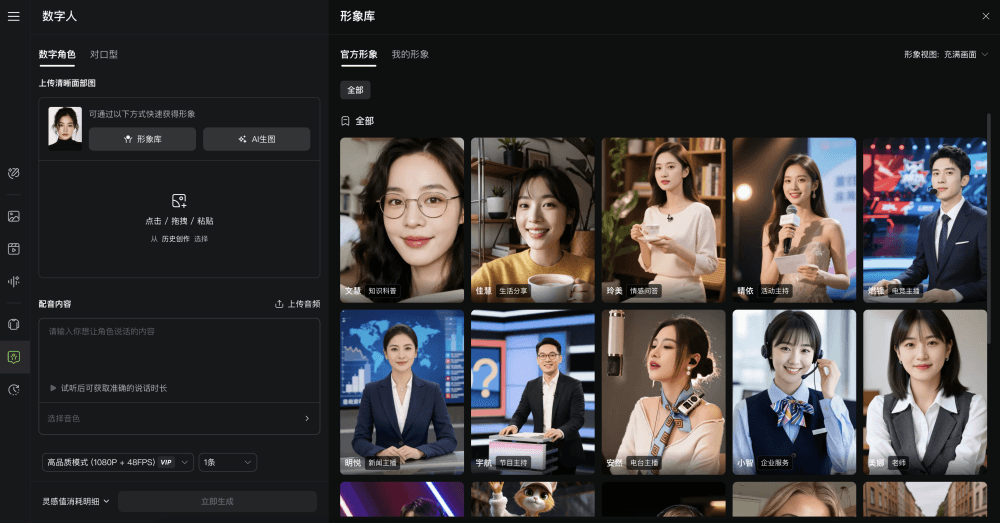 Digital human generation workflow
Commercial Impact
The strongest near-term use cases are not feature films. They are the daily content tasks that marketing teams already struggle to produce at scale:
- product introduction clips
- localized social ads
- internal training videos
- seasonal campaign variations
- short educational explainers
- livestream warm-up content
AI video tools can compress production cycles from weeks to days or hours for first drafts. Human direction is still necessary, but the workflow becomes more iterative.
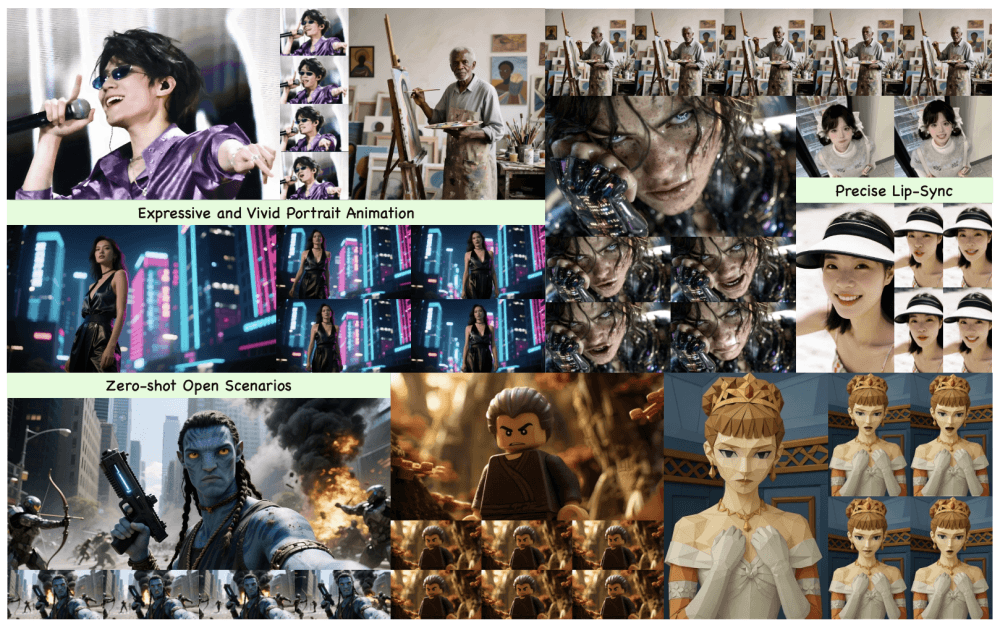 Digital human evaluation comparison
How Teams Should Use These Tools
Start with specific, low-risk scenarios. Do not replace a complete brand film workflow on day one. Instead, test product snippets, internal explainers, short ad variations, or creator-style social content.
Good prompts should describe the character, scene, camera, emotion, voice style, background sound, and intended platform. Teams should also create review rules for brand consistency, factual accuracy, music rights, and compliance.
What This Means for Brands
AI video is becoming part of the marketing production stack. Brands that learn how to combine creative direction, product knowledge, and AI generation will be able to test more ideas with less waste.
The winning workflow is not "AI instead of people." It is creative teams using AI to explore more directions, produce faster drafts, and reserve human effort for judgment, storytelling, and final polish.