
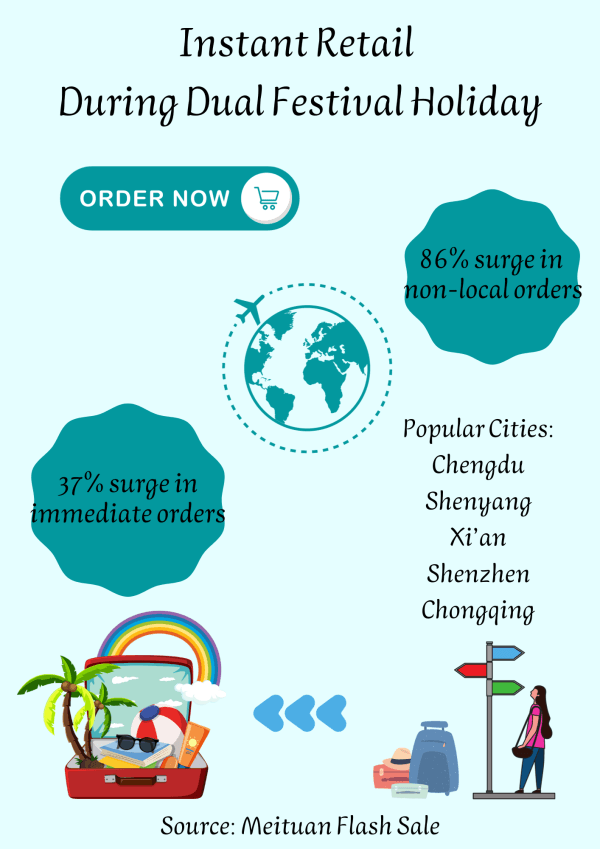
China's instant retail market entered a difficult new phase in 2025. The competition between Meituan, Alibaba, JD.com, and other platforms became more expensive, less forgiving, and more operationally complex.
The headline numbers are striking: heavy losses, margin pressure, and aggressive subsidies. But the deeper story is about the cost of building a local, real-time retail infrastructure that can deliver almost anything within minutes.
 Instant retail competitive landscape
From Growth Story to Cost Discipline
Instant retail grew because it solved a real consumer need. Users wanted groceries, medicine, beverages, daily goods, and emergency purchases delivered quickly. Platforms built dense merchant networks, rider fleets, dispatch systems, and promotional engines to capture that demand.
By 2025, however, the easy growth phase was over. Platforms were no longer only competing for users. They were competing for supply density, delivery capacity, category depth, and operating efficiency.
Platform Model vs. Self-Operated Model
The platform model relies on third-party merchants and broad coverage. It scales quickly but faces challenges in quality control, inventory reliability, and merchant economics.
The self-operated model gives stronger control over supply and fulfillment, but it requires heavy investment in warehousing, procurement, and last-mile operations.
Neither model is universally superior. The winners will likely combine both: platform breadth for long-tail categories, and controlled supply for high-frequency, high-value categories.
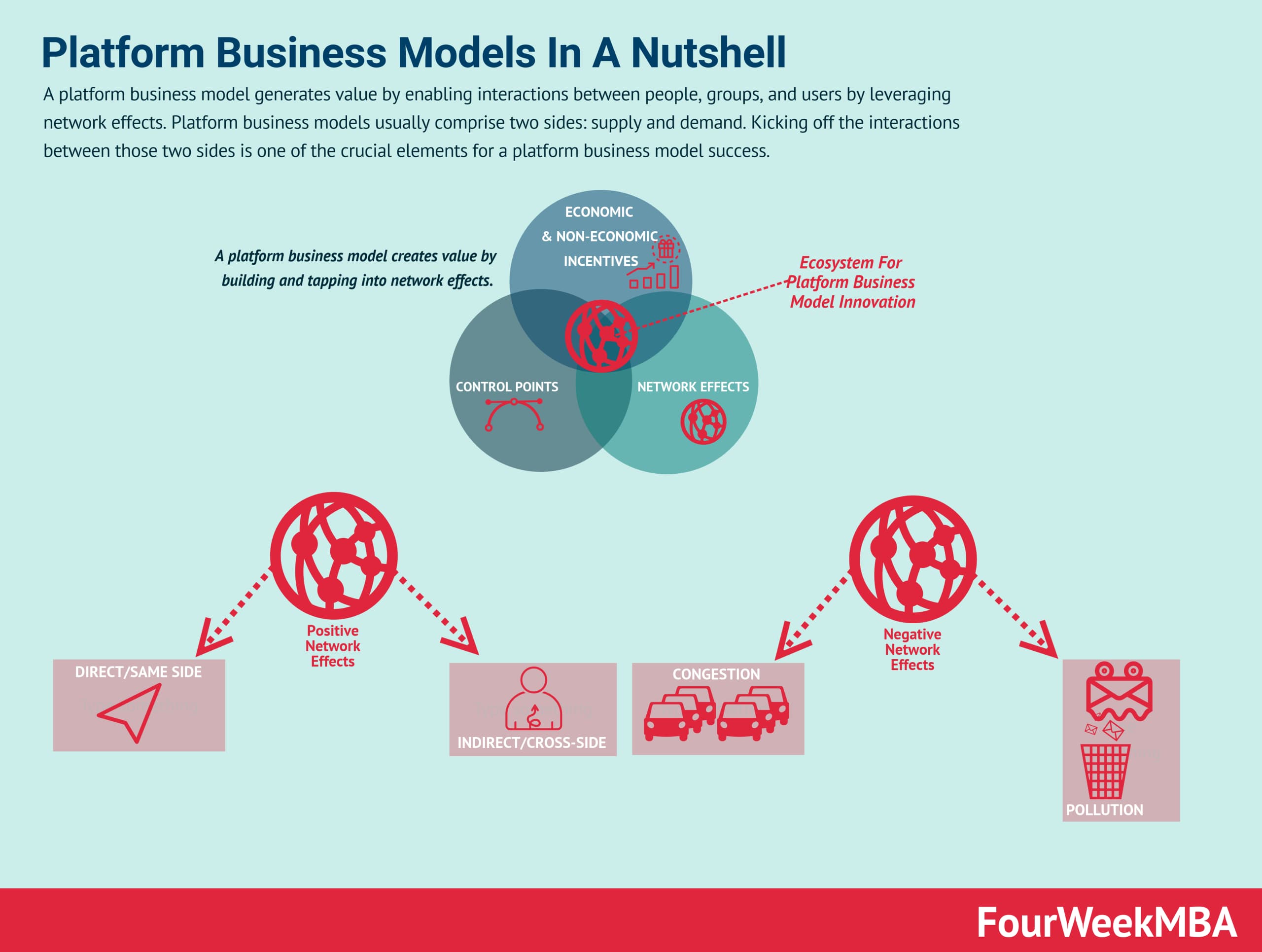 Platform and self-operated instant retail models
Why the Battle Became So Costly
Instant retail is local by nature. Every city, district, and delivery radius has different density, traffic, consumer behavior, and merchant quality. That makes national scale expensive.
Subsidies can create demand, but they cannot fix weak unit economics forever. Once capital patience declines, platforms must improve order density, basket size, delivery routing, and merchant-side efficiency.
AI Dispatch and Drone Delivery
The next phase of competition will depend less on pure subsidies and more on operational technology. AI dispatch can improve route planning, rider allocation, demand prediction, and delivery-time accuracy.
Drone delivery may matter in specific high-density or difficult-to-reach scenarios, but it will not replace the full last-mile network quickly. Its practical value depends on regulation, landing infrastructure, weather, and order density.
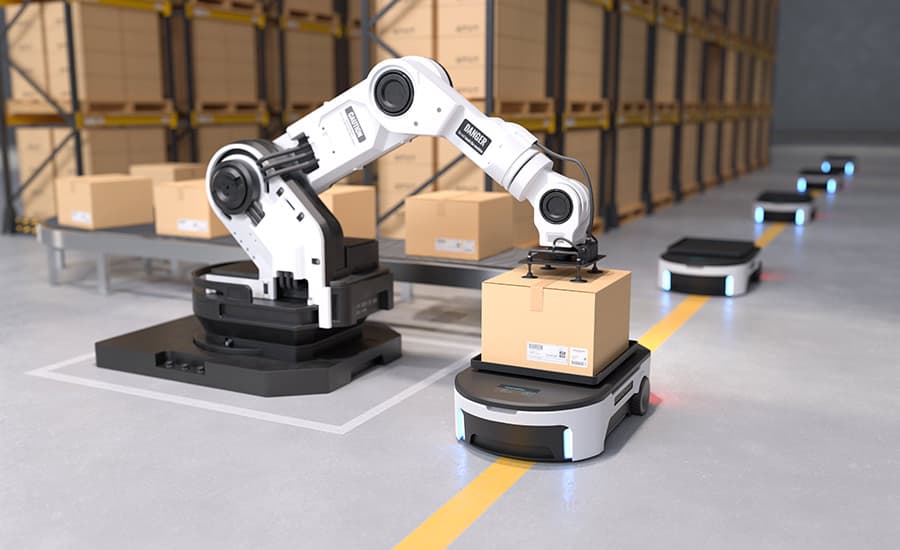 AI dispatch and delivery efficiency
Implications for Brands and Retailers
For retailers, instant retail is no longer just another sales channel. It changes inventory planning, packaging, promotion timing, store operations, and customer expectations.
Brands should ask:
- Which SKUs are truly suited to immediate delivery?
- Can store inventory be synchronized accurately?
- Are promotions designed for margin as well as order volume?
- Can customer service handle real-time fulfillment issues?
- Does the channel create repeat customers or only subsidy-driven orders?
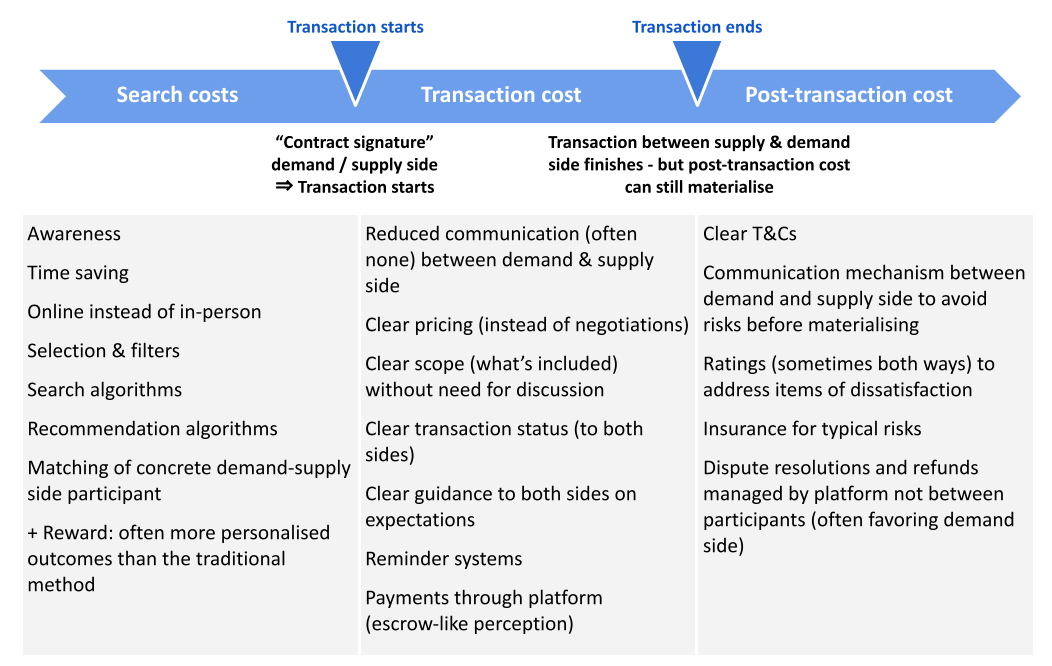 Instant retail operating system
The New Order
The instant retail market is moving from traffic competition to operating-system competition. The companies that survive will be those that can integrate demand prediction, supply control, routing efficiency, merchant tools, and disciplined spending.
For brands, the opportunity remains large, but the playbook must be more precise. Winning in instant retail requires operational readiness, not only platform participation.